What is a Turkish Bath?
A Turkish bath, also known as a hammam, is a centuries-old cleansing ritual deeply rooted in Turkish bath cultureand Ottoman heritage. It blends physical purification, relaxation, and social connection into one holistic Turkish spa experience. The word hammam comes from Arabic, meaning “spreader of warmth,” and the concept traces back to Roman and Byzantine bathhouses that inspired the Turkish bath history we know today.
In a traditional Turkish bath experience, guests move through a series of heated rooms, steam sessions, and massage rituals that promote wellness, detoxification, and tranquility. Unlike modern spas, a Turkish hammam emphasizes water, heat, and human touch — making it one of the most rejuvenating and authentic cultural experiences in Turkey.
Step 1 – Entering the Hammam: Setting the Atmosphere
Your hamam experience in Turkey begins the moment you enter the marble-clad sanctuary. The atmosphere is serene — echoing domes, soft lighting, and the gentle sound of running water create a sense of calm. Most authentic Turkish bath facilities are architectural masterpieces, adorned with mosaics, fountains, and domed ceilings that allow natural light to filter in.
Upon arrival, you’ll be welcomed by attendants who explain the Turkish bath process and guide you through each step. The temperature gradually rises as you move deeper into the hammam, helping your body relax and prepare for purification.
Step 2 – Changing Rooms and Pestemal Preparation
Before beginning your Turkish bath ritual, guests change into a pestemal — a traditional cotton towel that wraps around the body. This lightweight fabric absorbs moisture while preserving modesty. In most hammams, personal belongings are stored in private lockers or changing cabins.
Here’s what to expect in this stage:
- Pestemal wrapping for comfort and coverage
- Optional use of slippers (nalin) to prevent slipping
- Drinking water to stay hydrated before the heat
This stage bridges the outside world with the intimate, steamy interior of the hammam — your first transition into the centuries-old Turkish bath treatment tradition.
Step 3 – Warming Up in the Hararet Room
Next, you enter the hararet, or hot room, the heart of the Turkish bath ritual. The air here is filled with soothing steam, and temperatures hover around 40–50°C (104–122°F). You’ll lie or sit on the göbek taşı, a large heated marble platform in the center of the room.
This step serves several purposes:
- Opens pores and prepares skin for exfoliation
- Relieves muscle tension and stimulates circulation
- Encourages deep relaxation before the kese (scrubbing)
You may spend 15–20 minutes in the hararet, allowing your body to sweat naturally — a key part of the Turkish bath wellness benefits.
Step 4 – Full-Body Scrubbing (Kese) Ritual
The next stage of your traditional Turkish bath experience is the kese — a vigorous body scrub performed by a skilled attendant (tellak or natır). Using a special coarse mitt, your attendant will exfoliate dead skin cells, leaving your skin silky smooth and glowing.
During this part of the Turkish bath process, you’ll witness layers of impurities being removed. It’s both purifying and symbolic — a literal cleansing of body and spirit.
Benefits of the Kese:
- Deep exfoliation for smoother skin
- Improved blood flow
- Detoxification through sweat and friction
This ritual, an essential part of Turkish hammam steps, is one of the reasons travelers call the hammam one of the most rejuvenating experiences in Turkey.
Step 5 – Foam Massage and Relaxation
After exfoliation, comes the most indulgent phase — the foam massage. The attendant fills a cotton cloth with warm, soapy bubbles, then releases them in soft waves over your body. The sensation is light, cleansing, and deeply relaxing.
The foam massage is not just about cleanliness — it’s a moment of calm that relieves tension from head to toe. Using rhythmic motions, the masseur gently massages your muscles, washing away both physical and mental stress.
This luxurious step embodies the heart of the Turkish bath massage — a blend of therapeutic touch, scent, and serenity.
Step 6 – Rinsing and Cooling Down
After the massage, warm water is poured over your body to rinse off the soap and cleanse the skin completely. The transition from hot to cool water awakens your senses, restoring your natural balance.
Then, you may be guided to a cooler chamber or shower area where you can relax and gradually bring your body temperature back to normal. This is a vital part of the Turkish bath treatment, ensuring your body adjusts after the heat.
Step 7 – Optional Oil Massage Treatments
Many modern hammams offer an additional oil massage after the main ritual. This treatment combines aromatic oils with long, gentle strokes that nourish the skin and promote deep relaxation.
Common options include:
- Aromatherapy massage with essential oils
- Traditional Turkish bath massage focusing on pressure points
- Reflexology for feet and hands
These services elevate your Turkish spa experience from a cultural ritual to a full wellness journey — blending ancient tradition with modern luxury.
Step 8 – Herbal Tea and Resting Lounge
After your treatment, you’re escorted to a resting area, often decorated with cushions and dim lighting. Here, guests enjoy herbal tea or water while their body slowly cools.
This quiet moment is essential to the authentic Turkish bath experience. It allows your body to absorb the wellness benefits of the heat and massage, while you savor the lingering calm and clarity.
Step 9 – Cultural Etiquette and Hammam Tips
Understanding Turkish bath etiquette ensures a respectful and enjoyable experience. Here are some essential tips:
| Etiquette | Description |
|---|---|
| Modesty | Wear a pestemal or bikini; nudity varies by hammam. |
| Gender Separation | Most hammams are separate for men and women. |
| Hydration | Drink water before and after your session. |
| Timing | Avoid heavy meals before entering the hammam. |
| Communication | Let your attendant know if the pressure is too strong. |
By following these customs, you’ll honor the Turkish bath culture and fully immerse yourself in the ritual’s authenticity.
Step 10 – Turkish Bath Experiences in Istanbul and Beyond
If you’re searching for a Turkish bath near me, Istanbul offers some of the most famous hammams in the world. Each has its own charm, blending Ottoman architecture with modern wellness luxury.
Best Hammams in Istanbul
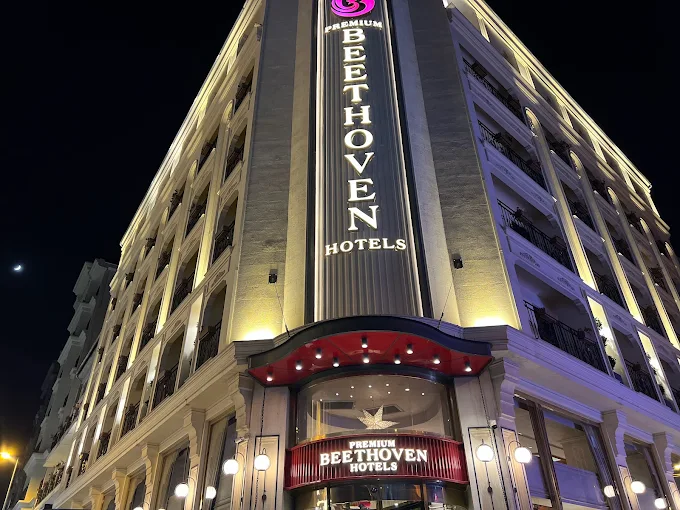
- Beethoven Premium Spa – A contemporary retreat combining luxury design, professional service, and authentic Turkish bath treatments in the heart of Istanbul.
- Acemoğlu Hamam – One of Istanbul’s most respected authentic Turkish bath establishments, preserving centuries-old Turkish bath culture while providing modern comfort.
- Sultan Selim Hammam – A beautifully restored Ottoman bathhouse offering an unforgettable traditional Turkish bath experience with impeccable attention to detail.
No matter which one you visit, the hammam Istanbul scene delivers the perfect balance of history, relaxation, and Turkish spa experience — a timeless ritual that continues to enchant travelers from around the world.
FAQ – Turkish Bath Common Questions
- What is a Turkish bath?
A Turkish bath is a traditional steam-based cleansing and relaxation ritual originating from Ottoman culture. - How long does a Turkish bath session last?
A full Turkish bath experience typically lasts between 60 and 90 minutes. - What should I wear in a Turkish bath?
You should wear a pestemal towel or swimsuit, depending on local customs. - Are Turkish baths unisex or separate?
Most traditional hammams have separate sections for men and women, though some are mixed. - Where can I find the best Turkish bath near me?
Search online for “Turkish bath near me” or visit renowned hammams in Istanbul for an authentic experience.