Turkish Bath or Spa? Here Are 5 Main Differences
With the increased awareness surrounding wellness and self-care, more people are seeking relaxing and restorative experiences. However, many still find themselves uncertain when choosing between a spa treatment, a massage session, or a Turkish Bath (Hamam). Even though they share the common goal of promoting comfort and well-being, the sensations, techniques, environments, and long-term benefits they provide are quite different.
Understanding these differences is not only useful for choosing the right experience but also for making sure your body and mind receive the most suitable form of care. Whether you want muscle therapy, emotional relaxation, cultural tradition, detoxification, or luxurious pampering, there is always one option that matches your goals perfectly.
Below, we break down the 5 most important differences between spas, massages, and Hamams so you can identify which experience aligns best with your needs.
1. The Main Purpose and Philosophy
The purpose behind each of these experiences is what sets them apart.
A spa is designed as a sanctuary of relaxation and introspection. It is a place where you are encouraged to disconnect from the outside world. Soft music, aromatherapy scents, warm lighting, and soothing décor are part of the intentional environment that helps calm the nervous system. Spa treatments often focus equally on the mind and the body. The philosophy is to bring a complete sense of harmony.
A massage focuses primarily on the physical body, particularly muscles and connective tissues. Its main purpose is to relieve soreness, loosen stiffness, improve blood flow, and support healing. It is therapeutic rather than atmospheric. It does not necessarily require a luxurious environment; the effectiveness lies in technique and touch.
A Turkish Bath (Hamam) emphasizes purification and rejuvenation. Historically used in Ottomans and ancient Roman traditions, the Hamam ritual was considered a form of cleansing for the body and the soul. The focus is on steam, heat, exfoliation, and bathing to release toxins and refresh the skin. It is deeply cultural and ceremonial.
To summarize simply:
Spa: full-body relaxation and emotional balance
Massage: targeted muscle relief and physical wellness
Hamam: deep cleansing, detoxification, and cultural ritual comfort
2. Environment and Atmosphere
Atmosphere influences how deeply you relax.
A spa environment is curated to be serene. Guests move through quiet hallways, staff speak softly, and the entire design encourages slow breathing and mental unwinding. You may be offered herbal tea, soft robes, warm towels, essential oils, and calming music. Every detail supports sensory calm.
A massage room is more simplified. The lighting is low, the room is private, the therapist focuses on touch and pressure, and the environment is functional rather than theatrical. While still peaceful, it does not typically include the immersive ambiance of a spa.
The Hamam environment is unique and unforgettable. The space is warm, filled with gentle steam rising from heated marble. Sound echoes lightly, adding to the tranquil atmosphere. Steam surrounds the body, opening pores and relaxing the muscles before treatment begins. It is a place to slow down, breathe, and experience tradition.
3. Techniques and Methods Used
The specific techniques vary greatly.
Spa treatments may include:
Body scrubs
Facials
Herbal or clay wraps
Hydrotherapy baths
Aromatherapy inhalation
Sauna relaxation
These services are designed for beauty, hydration, softness, and calm.
Massage therapy includes:
Swedish massage
Deep tissue massage
Sports massage
Thai stretching massage
Lymphatic drainage
Reflexology
Each technique works differently, but the main goal is to address muscle tension and improve circulation through intentional pressure and movement.
In the Hamam, the techniques are ritualized:
First, the body sits in steam to open pores
Then a kese mitt is used for exfoliation
This removes dead skin and stimulates circulation
Next comes the foam massage, where warm, airy soap is massaged across the skin
Finally, the body is rinsed with warm water
The process is cleansing, refreshing, and incredibly renewing.
4. Health and Wellness Outcomes
Each experience benefits the body differently.
Spa Benefits
Reduces anxiety and stress
Improves sleep quality
Boosts skin hydration and elasticity
Enhances mood and emotional calm
Massage Benefits
Relieves muscle pain and tightness
Improves mobility and posture
Reduces inflammation
Supports the nervous system
Helpful for people with back pain, desk fatigue, or athletes
Hamam Benefits
Deep cleans the skin
Promotes detoxification through sweat
Stimulates blood flow
Supports respiratory comfort
Strengthens the immune system
Leaves skin glowing and renewed
The Hamam is especially valued for skin renewal and detox, while massages specialize in muscular wellness, and spas are ideal for stress management and emotional relaxation.
5. Level of Personalization and Experience Structure
Spas offer the most variety and customization. You can choose your oils, massage duration, facial type, and additional enhancements. Everything is personalized for comfort.
Massages also allow customization—pressure level, focus areas, and technique can be tailored to your physical needs. A therapist can adapt according to the tension in your body.
Hamam sessions, however, follow a traditional structure. Though luxury facilities may offer special foam essences or extended rituals, the foundation remains the same. This gives Hamam its timeless identity.
So Which One Should You Choose?
Choose Spa if you want to:
Unwind emotionally
Enjoy a luxurious environment
Care for your skin and senses
Choose Massage if you want to:
Relieve tension or muscle pain
Improve circulation
Support physical recovery
Choose Hamam if you want to:
Cleanse the body deeply
Detox through heat and steam
Experience cultural relaxation
Frequently Asked Questions (List Format)
- Is a spa more relaxing than a massage?
A spa is generally more relaxing because it focuses on creating a full sensory relaxation environment. - Does a Hamam include massage?
Yes, the Hamam includes a foam-based cleansing massage but not as deep as therapeutic massage. - How long does a Hamam session last?
A typical session lasts between 45 and 90 minutes depending on the package. - Can I combine spa, massage, and Hamam together?
Yes, in many luxury wellness centers it is common to enjoy all three in a combined program. - Which one is better for stress relief?
All help stress, but spa environments usually provide the most immersive relaxation.
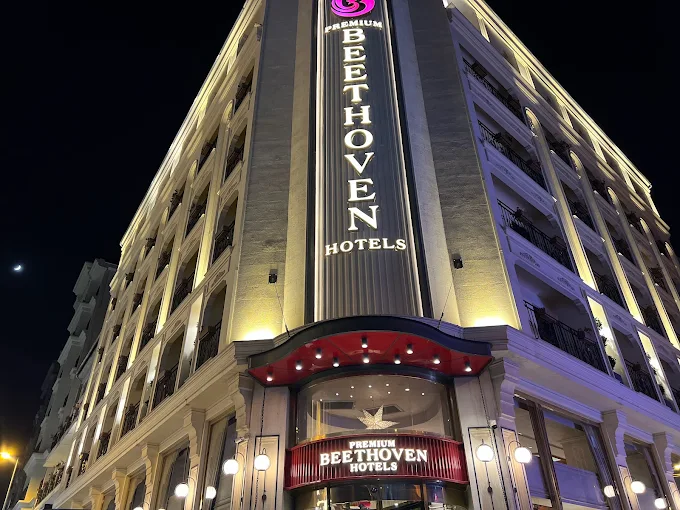
Experience True Wellness at Beethoven Premium Spa
If you are seeking a place where relaxation, elegance, and well-being come together seamlessly, Beethoven Premium Spa offers a refined sanctuary designed with your comfort in mind. Whether you prefer the deep renewal of a massage, the sensory quiet of a spa ritual, or the cultural warmth of a Turkish Bath (Hamam), each treatment is performed by expert therapists using high-quality techniques and thoughtful care. Here, every detail—from aromatic oils to calming music and serene relaxation areas—is crafted to help your body release tension and your mind find balance.
If you are ready to restore your energy, refresh your skin, and elevate your wellness routine, schedule your personalized experience today. Your moment of peace and true relaxation awaits.
👉 Visit: https://beethovenpremiumspa.com/
Your well-being is worth the finest touch.