When we think of luxury, history, and wellness intertwined, few experiences capture all three like the Turkish bath, or hammam. Among the many stories woven into Istanbul’s rich cultural tapestry, the lives of two Ottoman rulers—Sultan Selim I and Suleiman the Magnificent—stand out, not only for their political impact but also for the luxurious spa experiences they patronized. Today, their legacy continues to inspire spa enthusiasts seeking a blend of history, culture, and holistic wellness.
This blog takes you on a 1,600-word journey exploring how these historical figures shaped the Turkish bath culture, why the rituals remain essential in modern wellness, and how you can experience it firsthand.
The Historical Significance of Sultan Selim and Suleiman
Sultan Selim I, known as “Selim the Grim,” ruled the Ottoman Empire from 1512 to 1520. Despite his stern reputation, Selim valued wellness and personal care, incorporating hammam visits into his daily routine. Historical records indicate that hammams were not just leisure spots but crucial social hubs where the elite discussed politics, strategy, and arts while enjoying therapeutic rituals.
Suleiman the Magnificent, Selim’s son, ruled from 1520 to 1566 and expanded the empire to its peak. Suleiman’s reign coincided with the construction of some of the empire’s most magnificent hammams, blending architectural innovation with health and relaxation. The hammam was both a reflection of Ottoman power and a sanctuary for rejuvenation, emphasizing the importance of balance between mind, body, and spirit—a philosophy that resonates with modern spa culture.
The Architecture of Ottoman Hammams
To understand the spa experience, one must first appreciate the architectural brilliance of historical hammams. Ottoman hammams were carefully designed with multiple interconnected spaces:
- Camekân (Entrance Hall): A social gathering area where guests acclimated to the bath’s atmosphere.
- Sıcaklık (Hot Room): The core of the hammam, where heat, steam, and marble platforms helped the body relax.
- Soğukluk (Cooling Area): A cooler room used for final rinses and to restore the body’s equilibrium.
Marble surfaces, domed ceilings, and strategically placed fountains ensured optimal humidity, heat distribution, and comfort. These elements were not just aesthetic—they enhanced the physical benefits of cleansing and massage rituals.
The Ritual: Step-by-Step Turkish Bath Experience
Following in the footsteps of Sultan Selim and Suleiman means understanding the classic hammam experience. Each step is designed to combine physical wellness with psychological rejuvenation.
1. Arrival and Acclimatization
Upon entering a historical hammam or a modern equivalent inspired by Ottoman tradition, you are greeted by staff and offered a peştemal (cotton wrap). The calming sound of water, the scent of natural soaps, and soft lighting immediately transport you to a state of relaxation.
2. Warm-Up in the Hot Room (Sıcaklık)
The hot room, typically maintained at 40–50°C with high humidity, encourages sweating and opens pores. Guests lie on marble platforms, known as göbek taşı, allowing the heat to relax muscles and prepare the body for exfoliation.
3. Kese Exfoliation
A tellak (bath attendant) uses a special rough glove to scrub away dead skin cells. This process:
- Stimulates circulation
- Promotes lymphatic drainage
- Prepares the skin for enhanced absorption of oils and soaps
4. Foam Massage (Köpük Masajı)
After exfoliation, a rich foam is applied and massaged across the body with rhythmic movements. This step cleanses the skin, relieves tension, and provides an almost weightless relaxation experience reminiscent of the indulgences enjoyed by Ottoman rulers.
5. Aromatic Oils and Optional Massages
Modern hammams often offer additional oil or aromatherapy massages. Historically, natural oils such as olive or rosehip were used to nourish the skin and relax muscles, reflecting the luxurious attention Selim and Suleiman would have experienced.
6. Cooling and Rest
After the heat and massage, cooler water rinses and a rest period in a tranquil area help normalize body temperature, improve circulation, and prolong relaxation. Many modern spas enhance this with herbal teas or quiet contemplation areas.
Cultural and Therapeutic Significance
Why did Selim and Suleiman prioritize hammam visits? Beyond luxury, the Turkish bath served essential purposes:
- Health Benefits: The combination of heat, steam, and massage improves circulation, relieves muscular tension, and aids in detoxification.
- Mental Clarity: The calm environment encourages meditation, reflection, and stress relief.
- Social Interaction: Hammams were social venues where elites exchanged ideas, negotiated politics, and celebrated milestones.
Modern spa-goers continue to benefit from these aspects, proving that wellness transcends time.
Modern Adaptations of Ottoman Luxury
Today, several Istanbul-based spas, inspired by Ottoman architecture and rituals, recreate the historical experience:
- Sultan Selim Hammam: Offers a luxurious recreation of Selim’s bath rituals with marble slabs, high domes, and personalized massages.
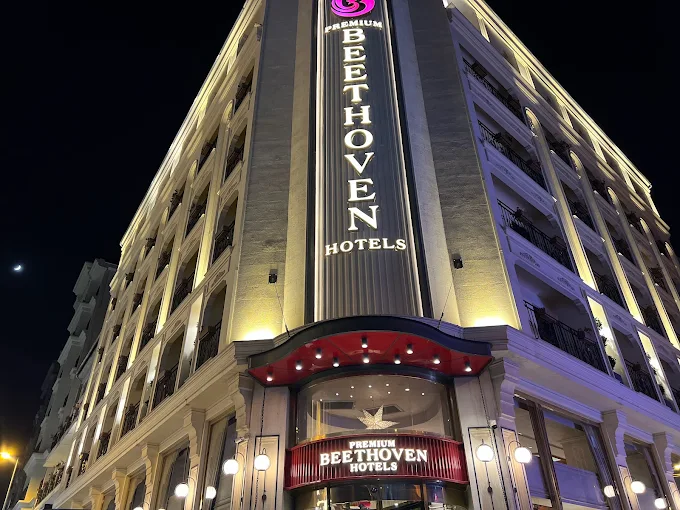
- Beethoven Premium Spa: Blends modern amenities with Ottoman traditions, ensuring hygiene, comfort, and authentic hammam experiences.
- Acemoğlu Hamam: Preserves traditional methods, offering a full Turkish bath journey including kese, foam massage, and aromatherapy oils.
These spas allow visitors to step into history while enjoying contemporary wellness comforts.
Tips for Experiencing a Hammam Like an Ottoman Sultan
- Hydrate: Drink water before and after the session to prevent dehydration.
- Respect Ritual Etiquette: Use peştemal correctly, follow the attendant’s guidance, and maintain quiet.
- Choose the Right Package: Full experiences including kese, foam massage, and optional oil therapy provide the most authentic experience.
- Pace Yourself: Spend time in the hot room gradually; don’t rush the rituals.
A Journey Beyond Physical Wellness
Following Sultan Selim and Suleiman’s footsteps is more than a spa visit; it’s a cultural immersion. Every element, from marble architecture to rhythmic massages, is designed to nurture both body and mind. Guests often describe leaving with a feeling of timeless luxury, renewed energy, and a deep appreciation for Ottoman history.
Conclusion: Historical Luxury Meets Modern Wellness
The Turkish bath experience is a journey through centuries, combining luxury, therapeutic benefits, and cultural heritage. Sultan Selim and Suleiman elevated hammams from mere baths to sanctuaries of health, relaxation, and social interaction. Today, visitors can replicate this experience in Istanbul or modern spas worldwide, enjoying every element that made these rituals legendary.
Whether seeking stress relief, physical detoxification, or a glimpse into Ottoman grandeur, walking in the footsteps of Selim and Suleiman provides an unforgettable wellness journey. The hammam is not just a bath—it is a portal into history, culture, and the art of living well.
Frequently Asked Questions (FAQ)
- What is a Turkish bath experience?
A Turkish bath combines steam, heat, exfoliation, and massage for total physical and mental rejuvenation. - How long does a typical hammam session last?
Most sessions last between 60–90 minutes. - Do I need special attire?
Guests wear a peştemal or towel wrap; some modern spas allow swimsuits. - Are hammams mixed-gender?
Traditional hammams separate men and women, though some modern locations offer private or mixed sessions. - Where can I experience a historical hammam today?
Istanbul is home to many, including Sultan Selim Hammam, Beethoven Premium Spa, and Acemoğlu Hamam.
If you want to experience the timeless luxury and authentic rituals of a Turkish bath just like Sultan Selim and Suleiman did, Beethoven Premium Spa offers a modern yet historically inspired environment. From marble slabs and domed ceilings to traditional kese and foam massages, every detail is designed to transport you to the heart of Ottoman wellness culture. To book your session or learn more about their offerings, visit Beethoven Premium Spa, where history, relaxation, and rejuvenation meet.